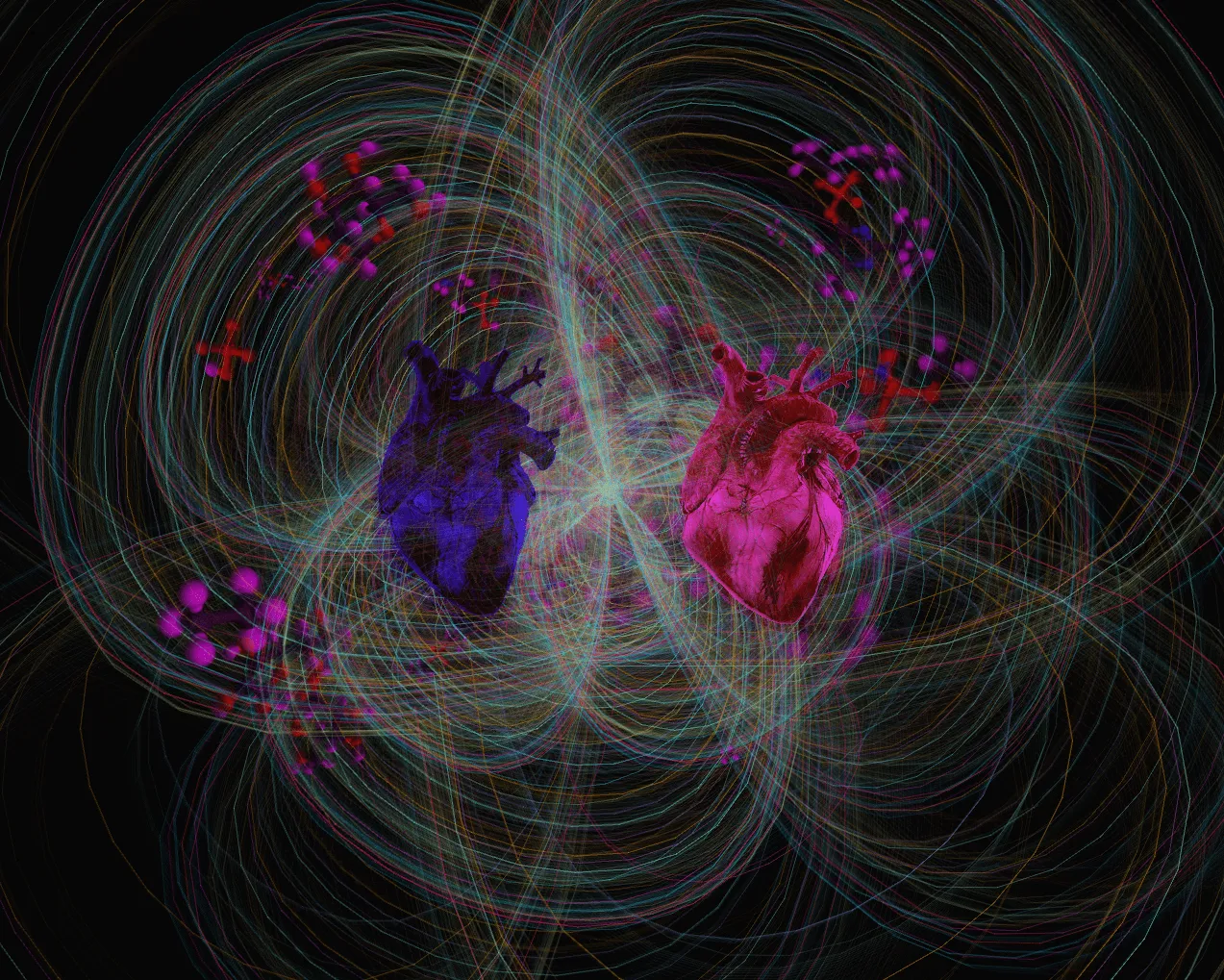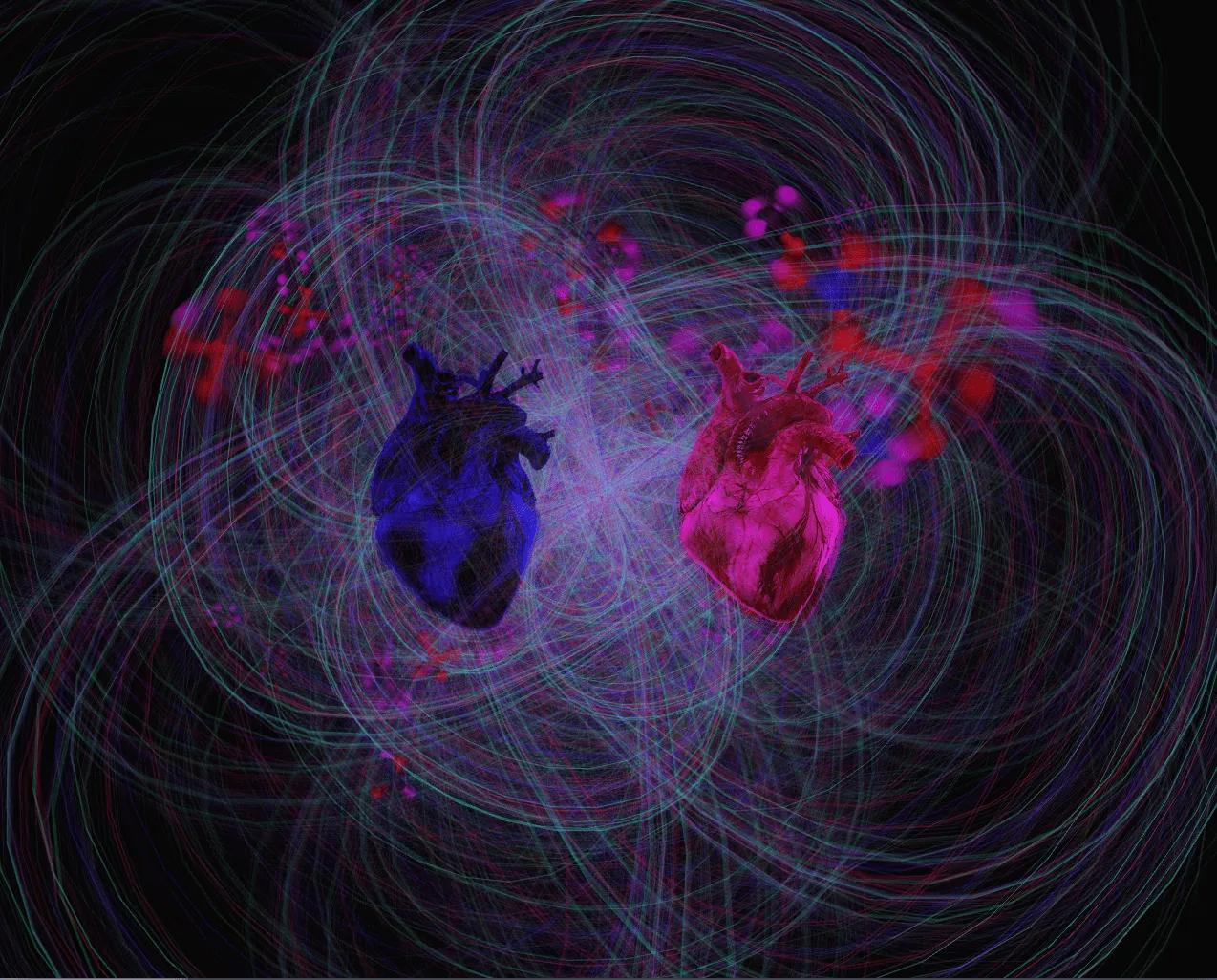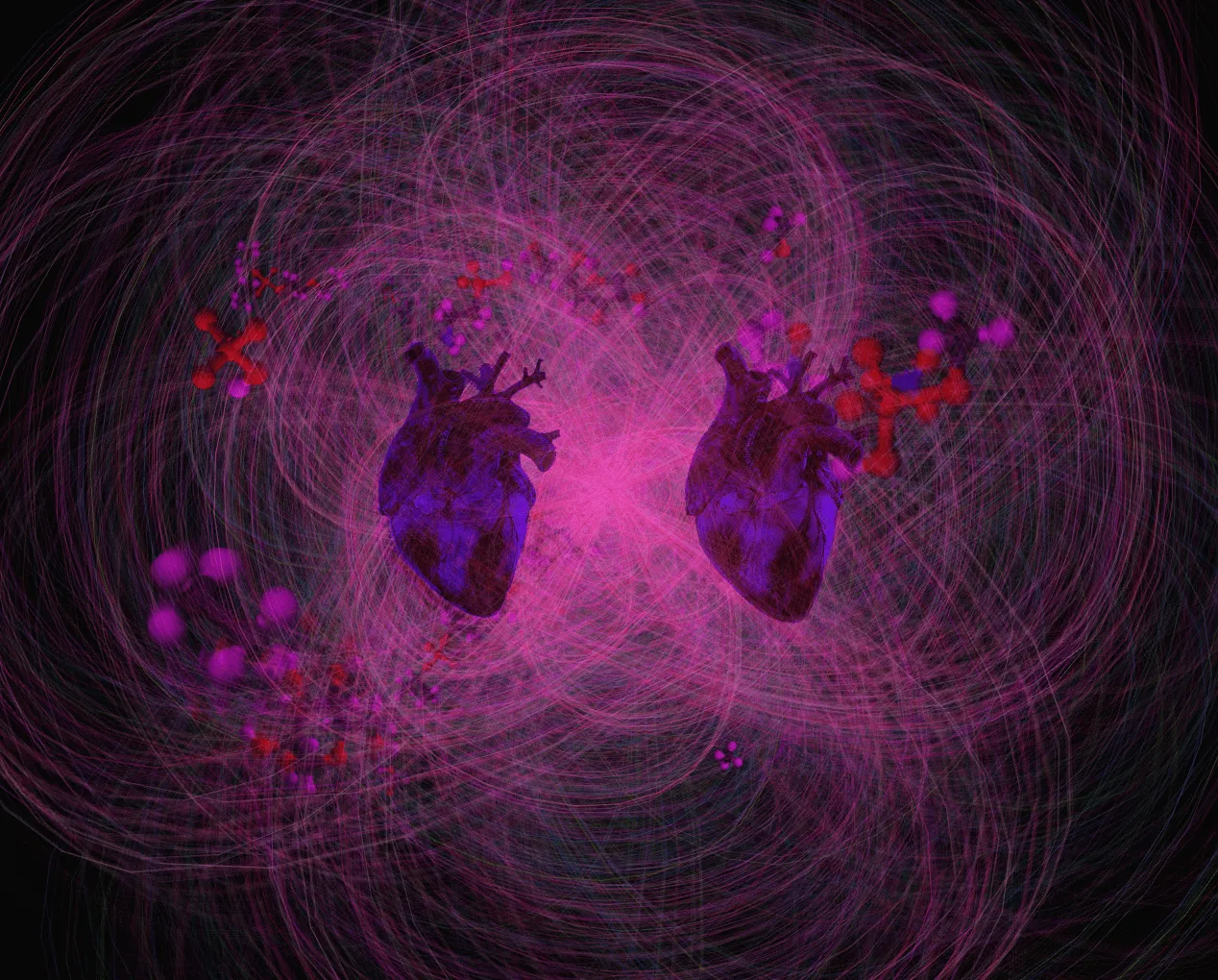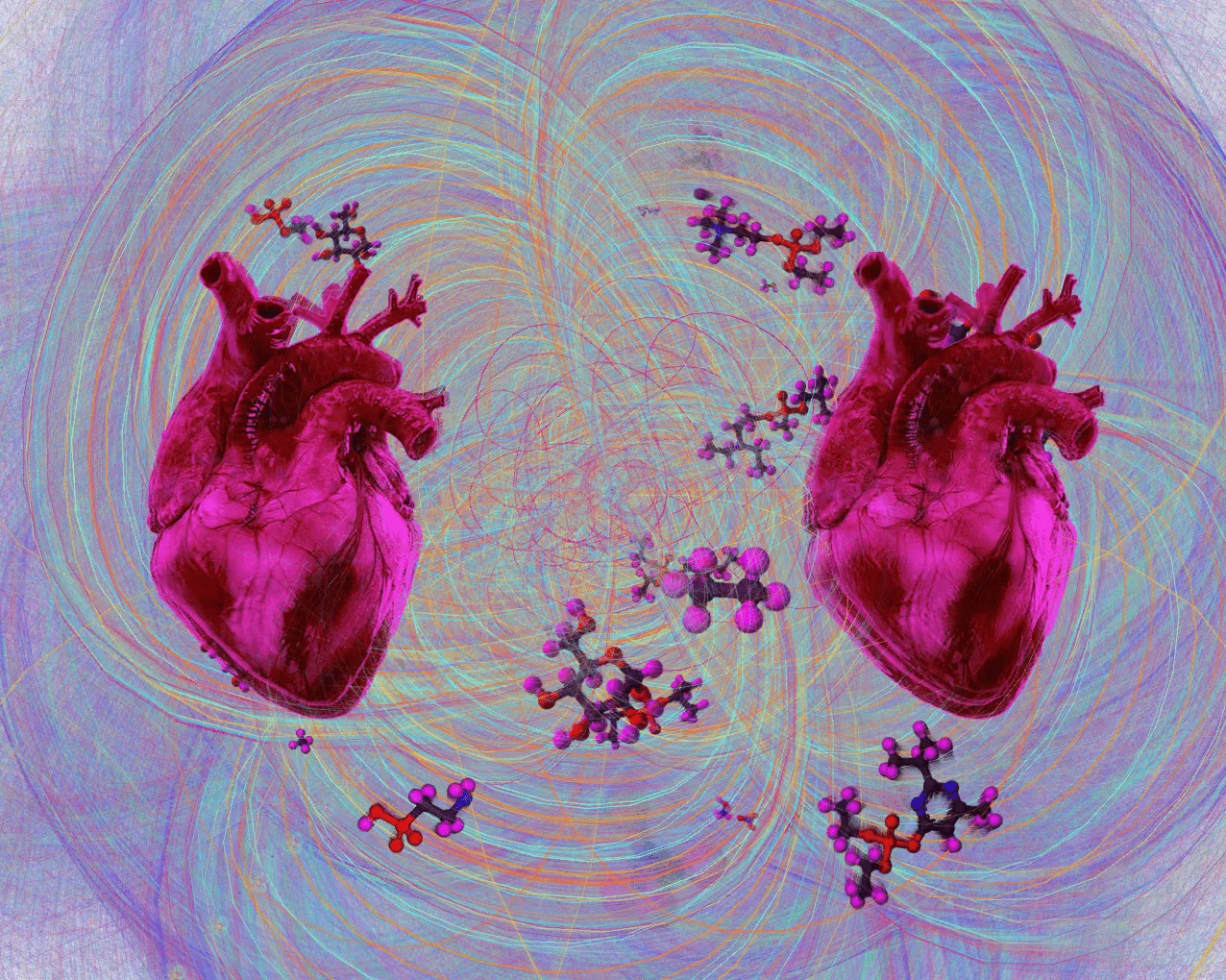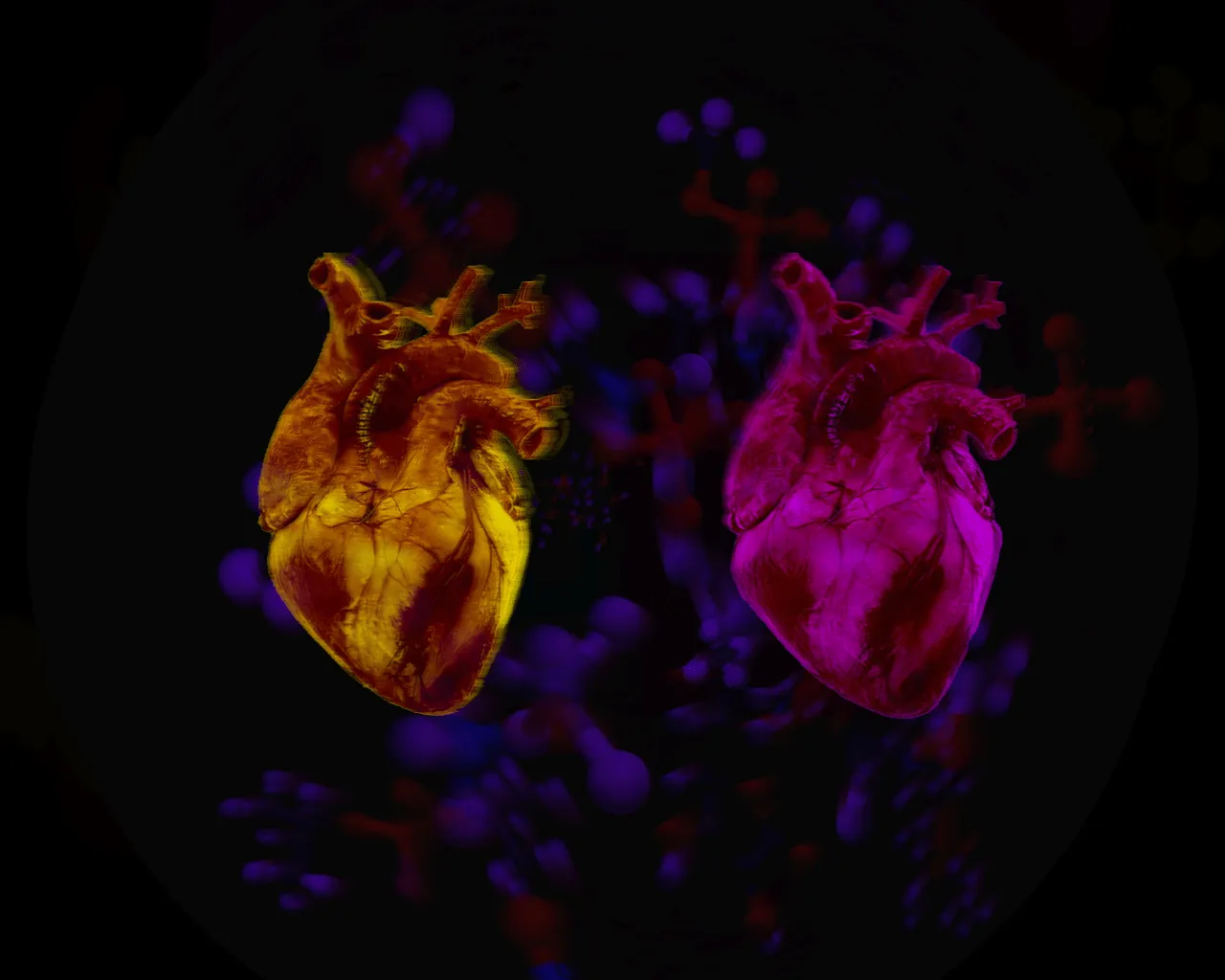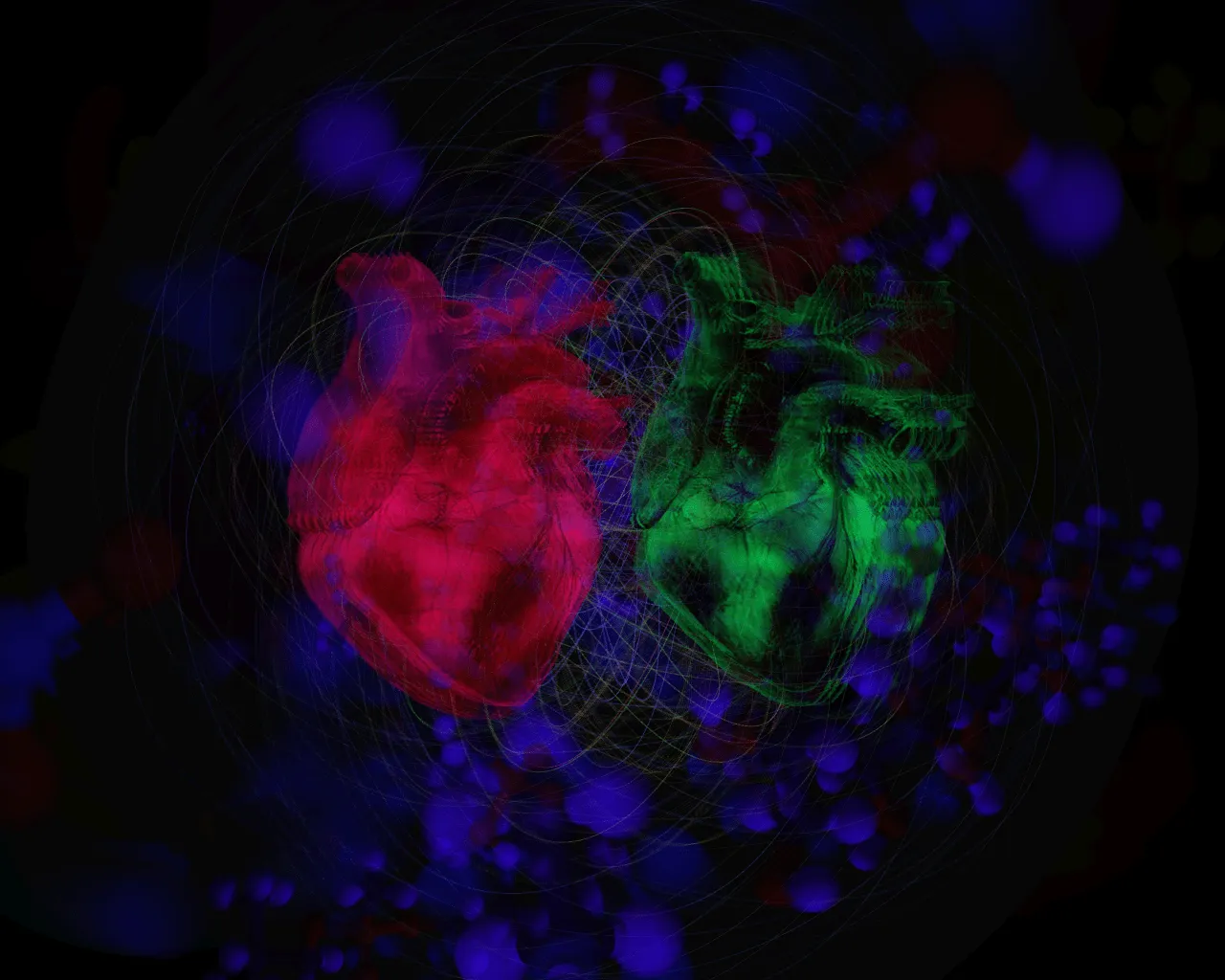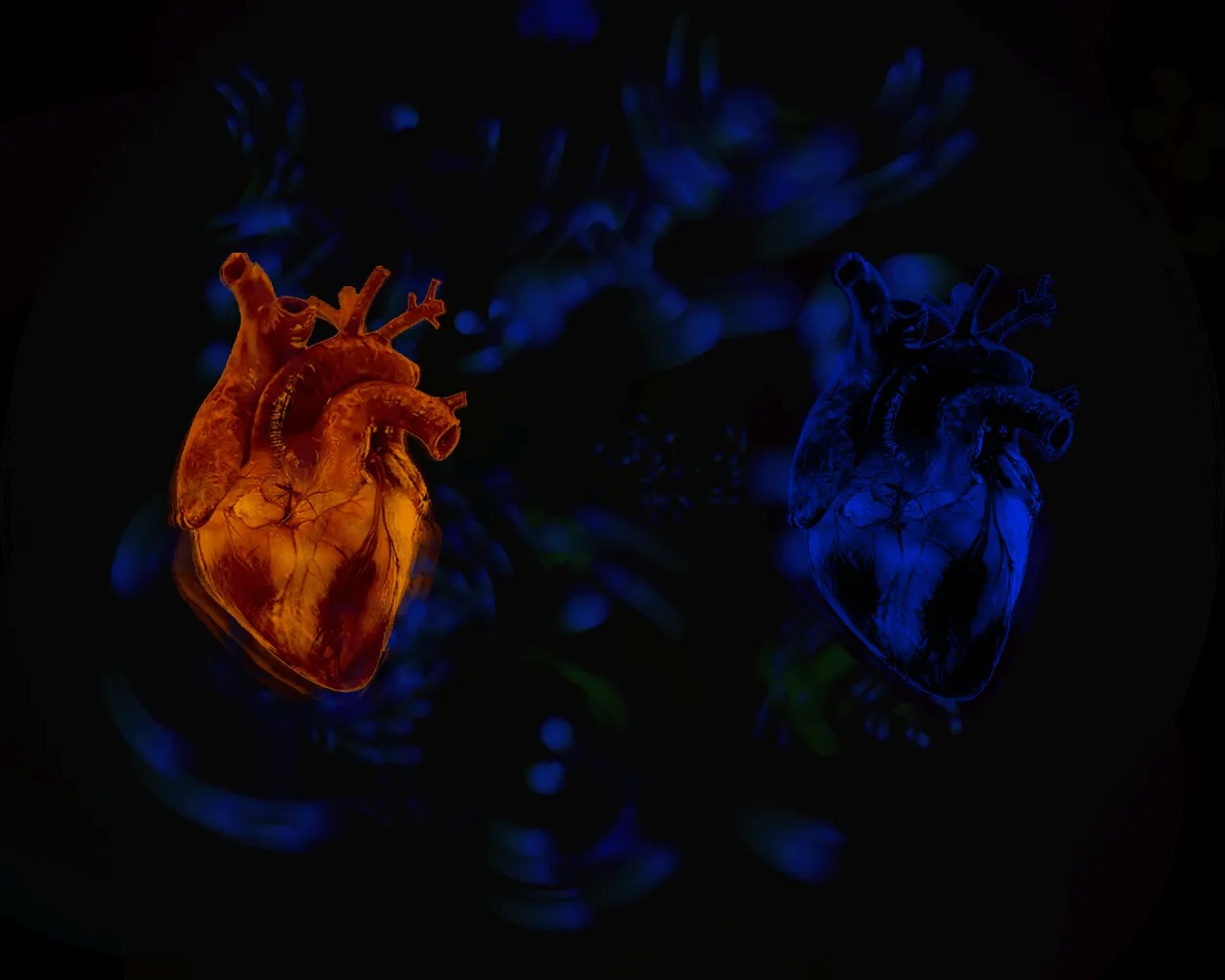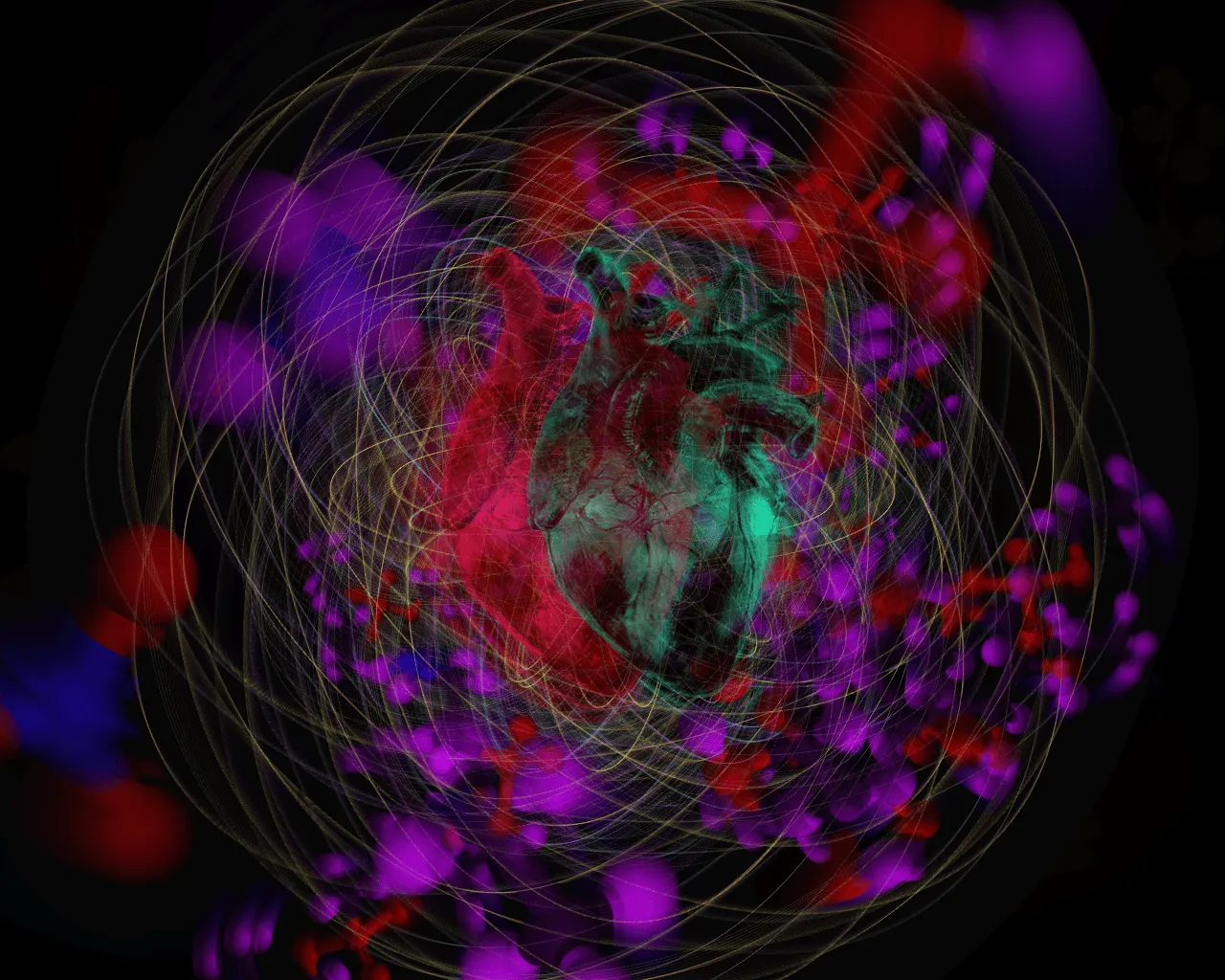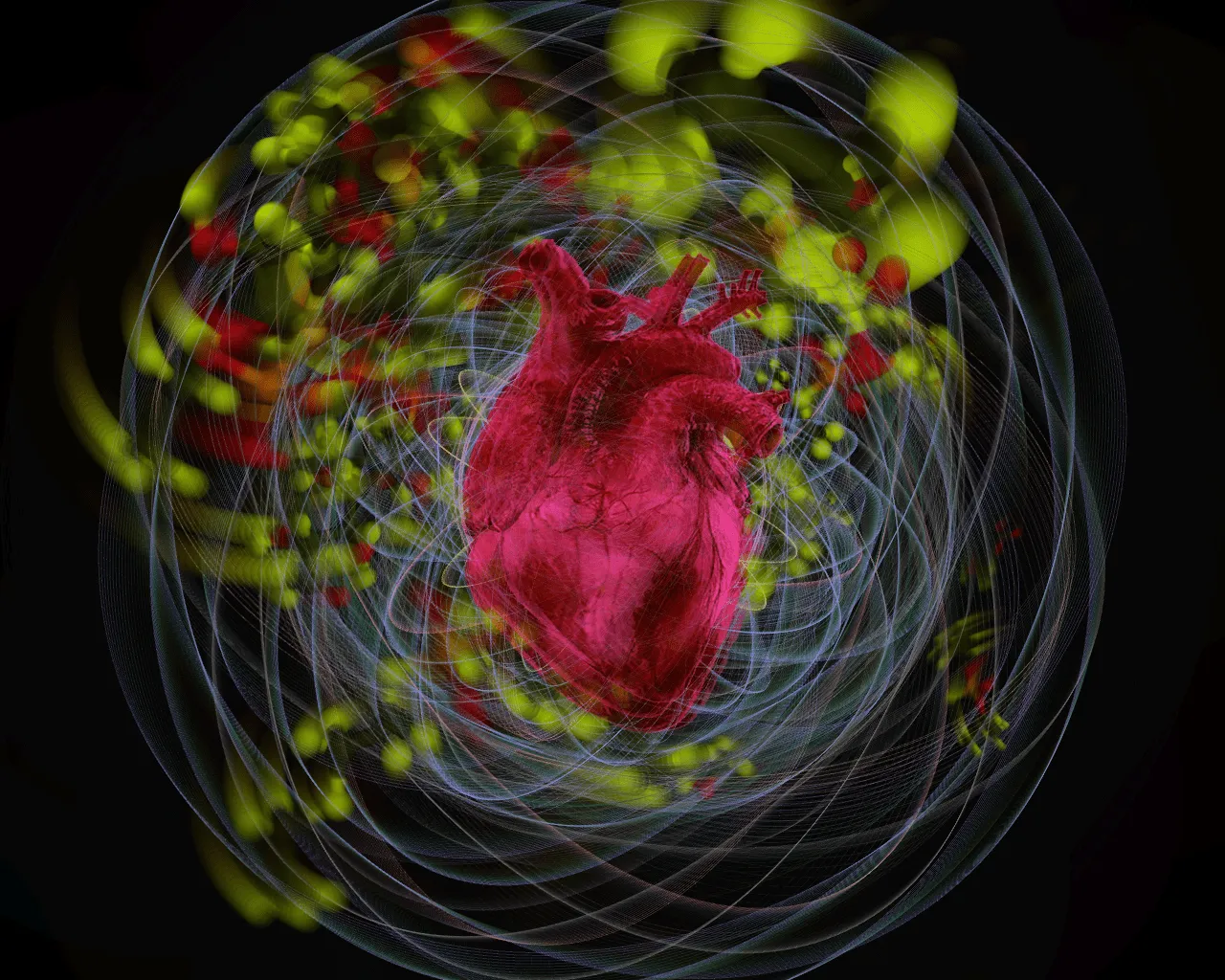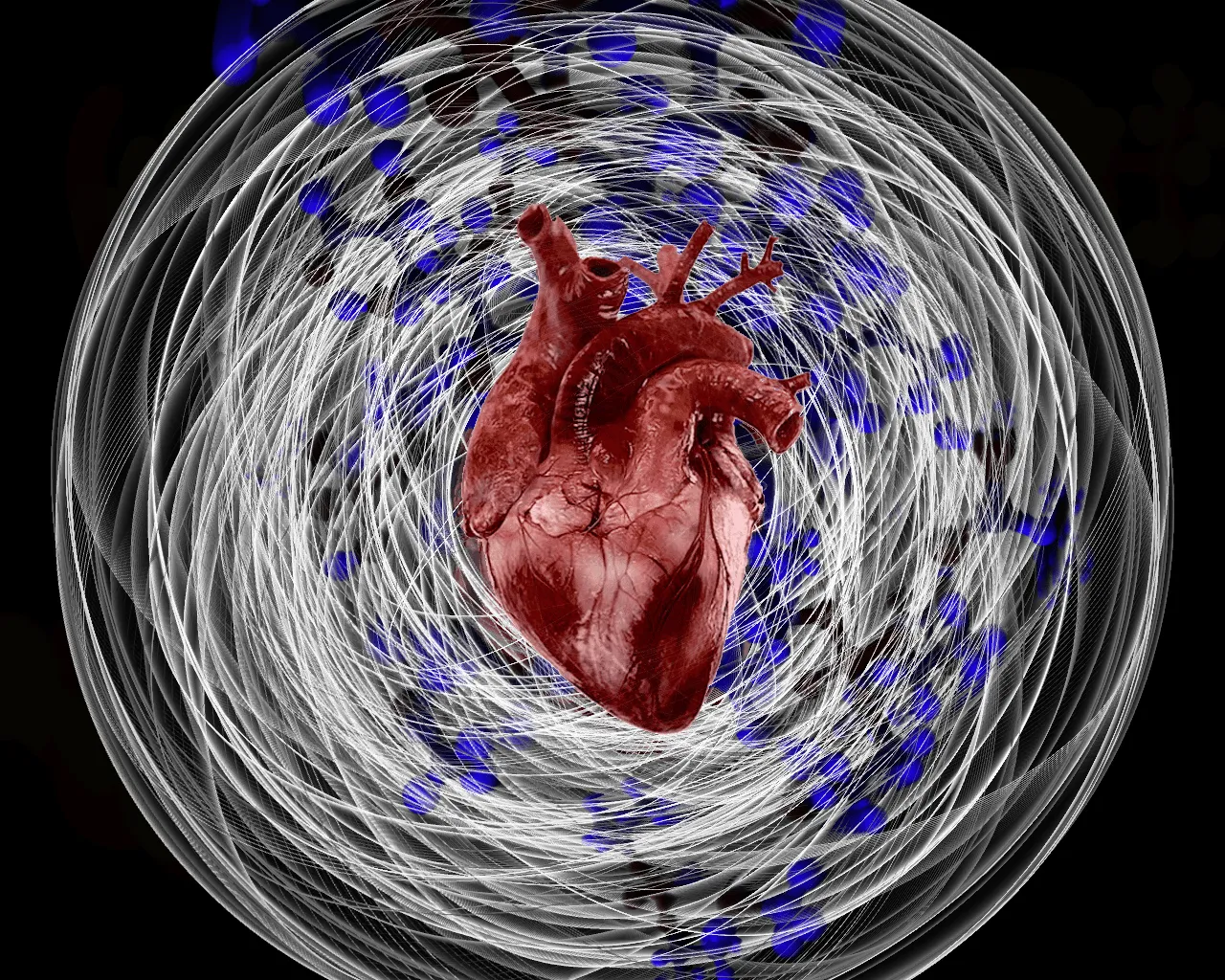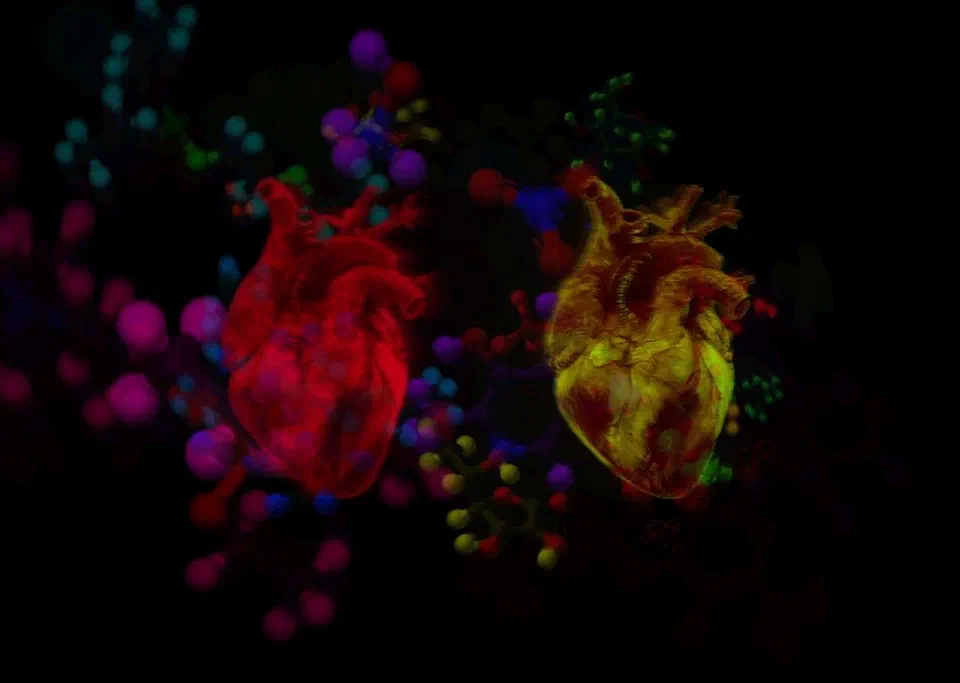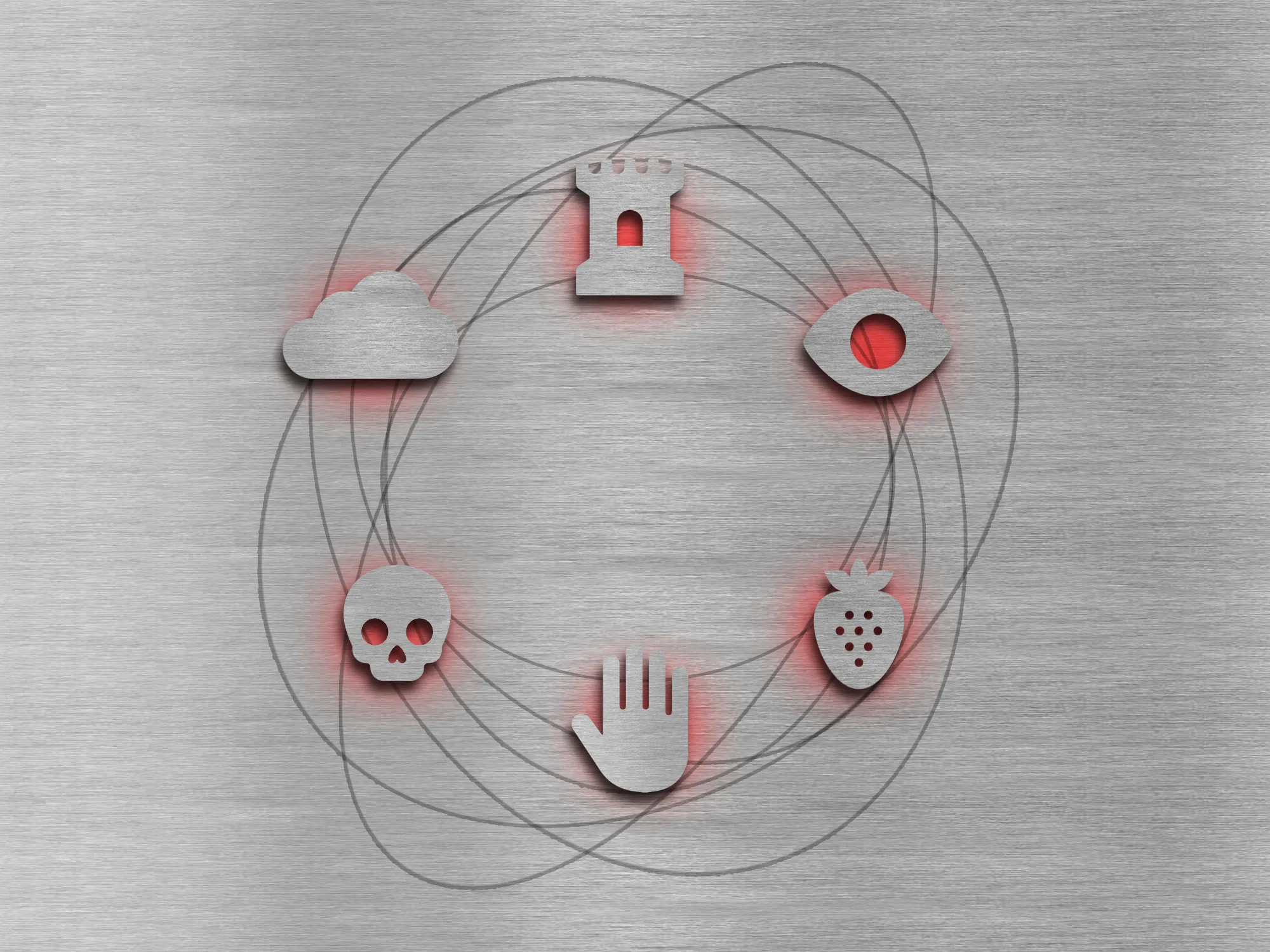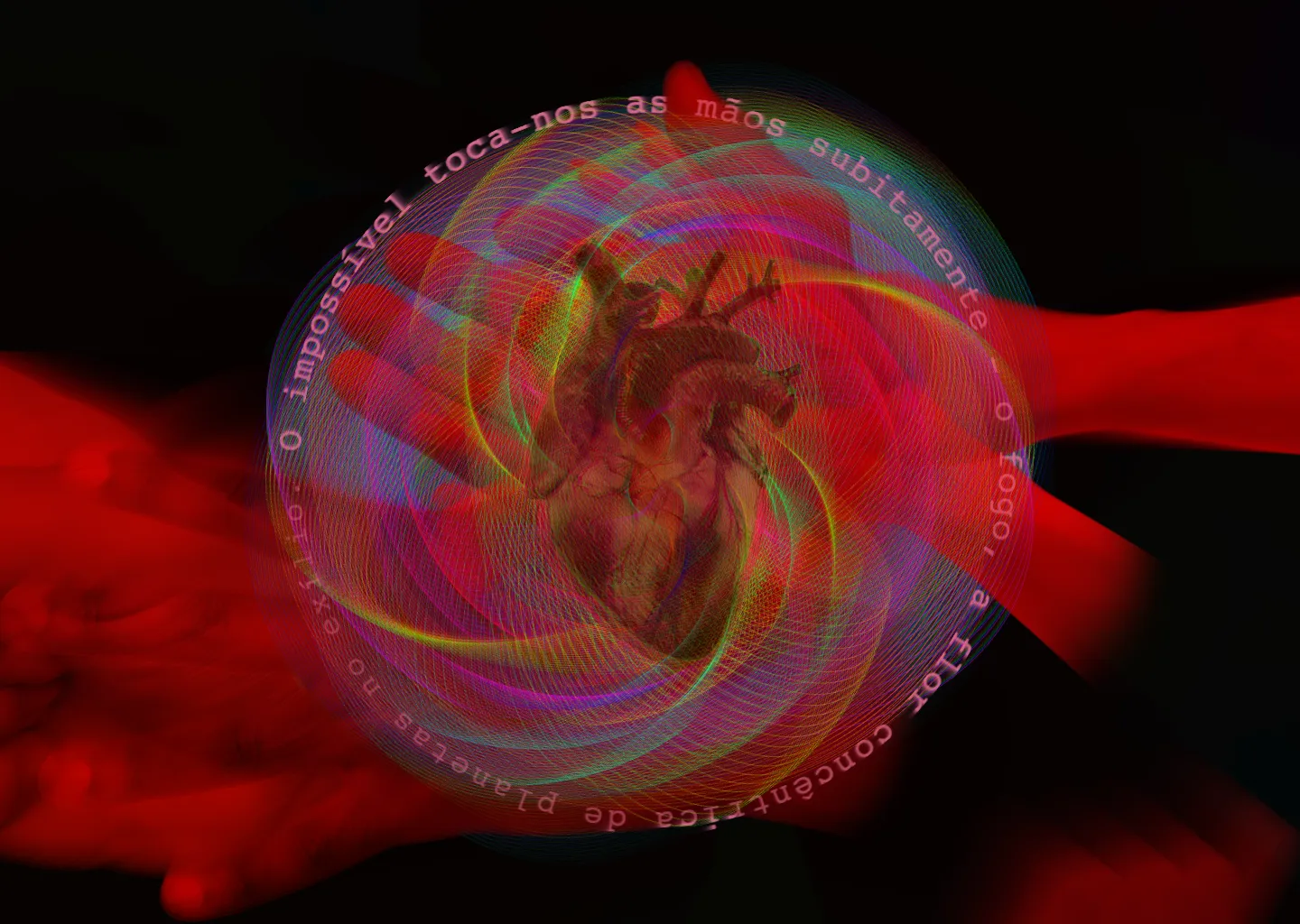
You&Me (a infinita constelação dos nossos sentidos) – the infinite constellation of our senses – is an interactive generative art project. It was born as a counter-current to the growing encapsulation of individuals inside a technological cocoon that mediates and interconnects everything.
While I feel more connected than ever to stimuli, information and multimedia content of every kind, this hyper-connection actually seems to override the direct connections, unmediated by technology, between me and others, or even with the world around me.
This project thus expresses a wish to question that phenomenon, using the very technology that promotes it as a weapon against it. I sought to create a communicative, aesthetic and cognitive experience, using technology to promote personal, local interaction without neglecting playful, dynamic and aesthetic aspects.
The initial proposal was submitted to the INVITRO-Gerador (REALTIME RUNTIME PEOPLE) call and was one of the four applications selected.
The inspiration for this project had three distinct sources:
- One social and current: the realisation of the apparent, felt priority that technology-mediated communication takes over direct human communication, unmediated, eye to eye, mouth to ear. A notification, message or phone call interrupts any face-to-face contact – or even prevents it from starting. The appreciation of beauty is confused with its ephemeral digital photographic record and subsequent sharing on social networks.
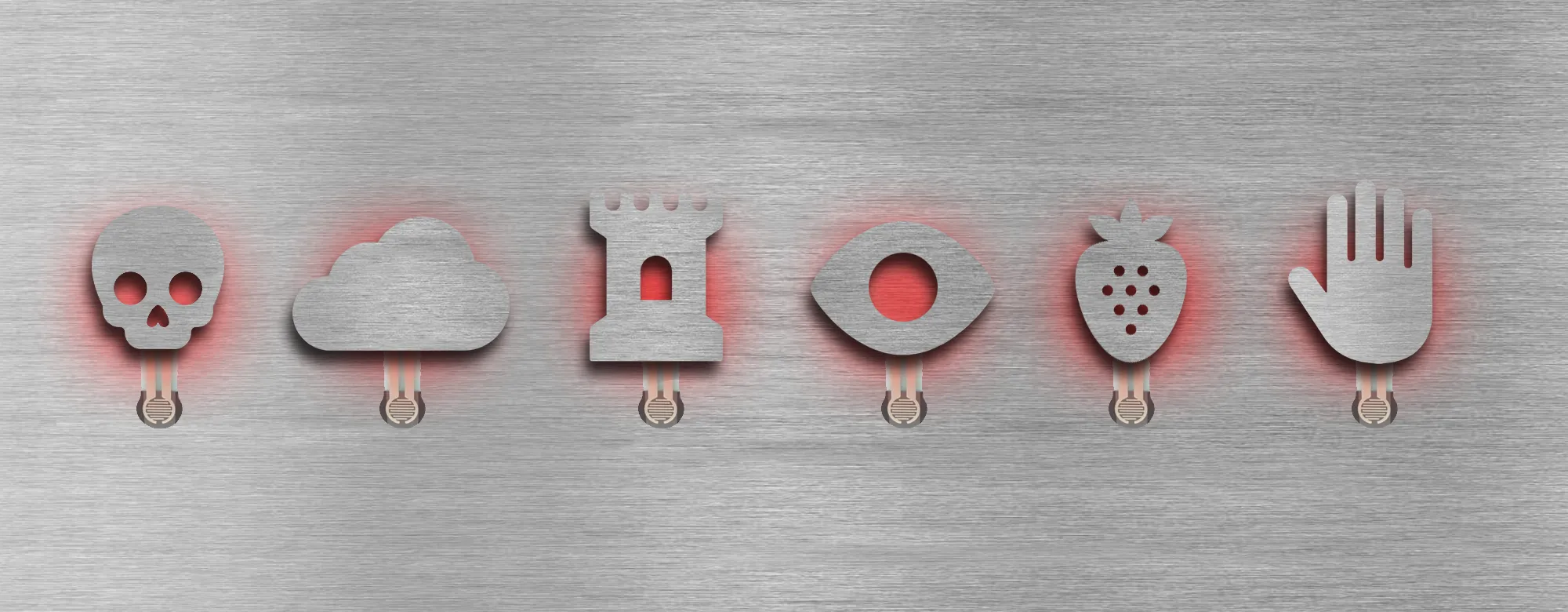
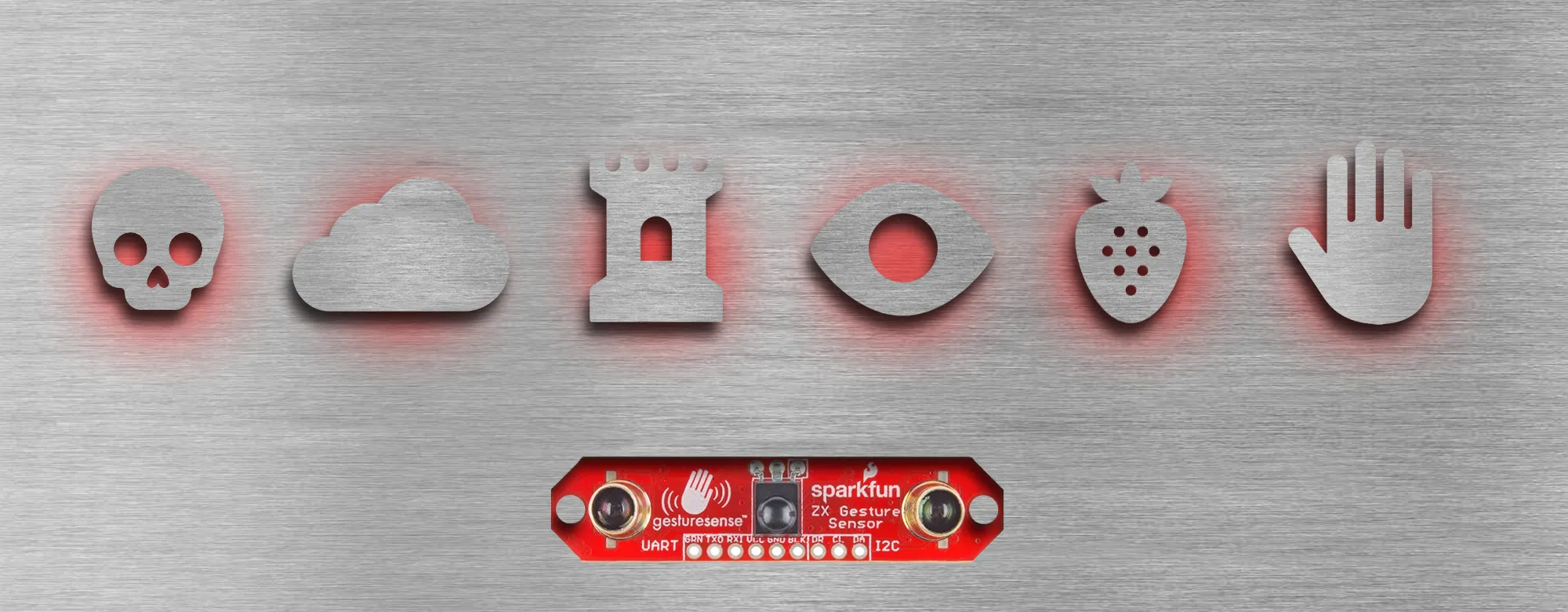
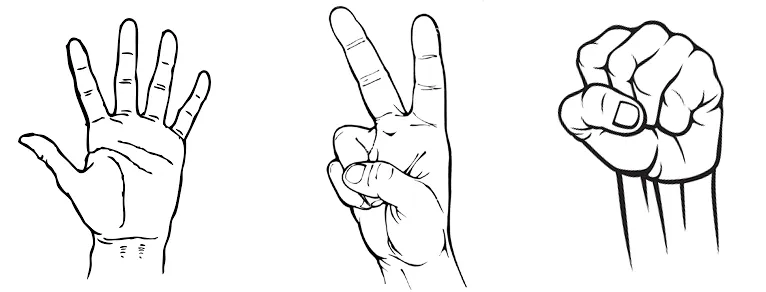
- The second was the nature of the interaction, the way visitors would influence the evolution of the system. At first I considered using touch, through various sensors. But that touch would always be a translation of the direct stimulus through technological mediation, which I wanted to avoid. On the other hand, the absence of physical touch, the gesture in the air that causes an effect, takes on a metaphysical character, of something that goes beyond technology and carries us into magical, symbolic, stimulating and rich environments. So came the idea of using combinations of three meaningful gestures – the open palm facing outwards, the victory sign and the closed fist – to generate a secret combinatorial code of three signs, combined two by two, thus involving both hands. This also prevents visitors from handling any other technological device to capture records while interacting with the installation, keeping their attention focused.
- The third source was a poem, which came after I had decided that the work would be for two users and would connect them in person, directly and umbilically, carried by the primordial motivation of play and of collaborative – not competitive – discovery. That brought to mind the beautiful poem by Casimiro de Brito, "O Amigo" (The Friend), and the rich symbolic imagery it holds in a few lines. Through the mediation of social networks (!) I got in touch with the poet and showed him a short video, made when the project was already at an advanced stage of development, explaining its relationship with his work. Later I also asked for his permission to transcribe "O Amigo" in the presentation of this project. My sincere thanks to him for his generosity and attention, which honoured me greatly.
From the outset the project's concept rested on a generative application coded in Processing 3.*, my programming language of choice for digital artistic expression, able to connect to a variety of devices.
Initially all tests were carried out using any movement picked up by an ordinary camera (webcam), distinguishing only the left and right sides of the capture area. At a more advanced stage of the project, I opted for Microsoft's Kinect 2 camera, to better distinguish movements through the skeleton and depth detection and analysis it allows. However, this choice brought some unexpected problems, because Microsoft discontinued the camera, and the last official driver has known issues when used under Windows 10.
The computing component of the work runs on a personal computer with a screen of at least 21", which gives active visitors visual feedback on their performance, embodying them in a virtual space.
But it was also important to create a physical space that situated the visitors, defining areas for each, suggesting a relative position, and containing elements that made it effortless to relate the physical and the digital: an augmented space in which the aesthetic, cognitive and playful experience could unfold in full.
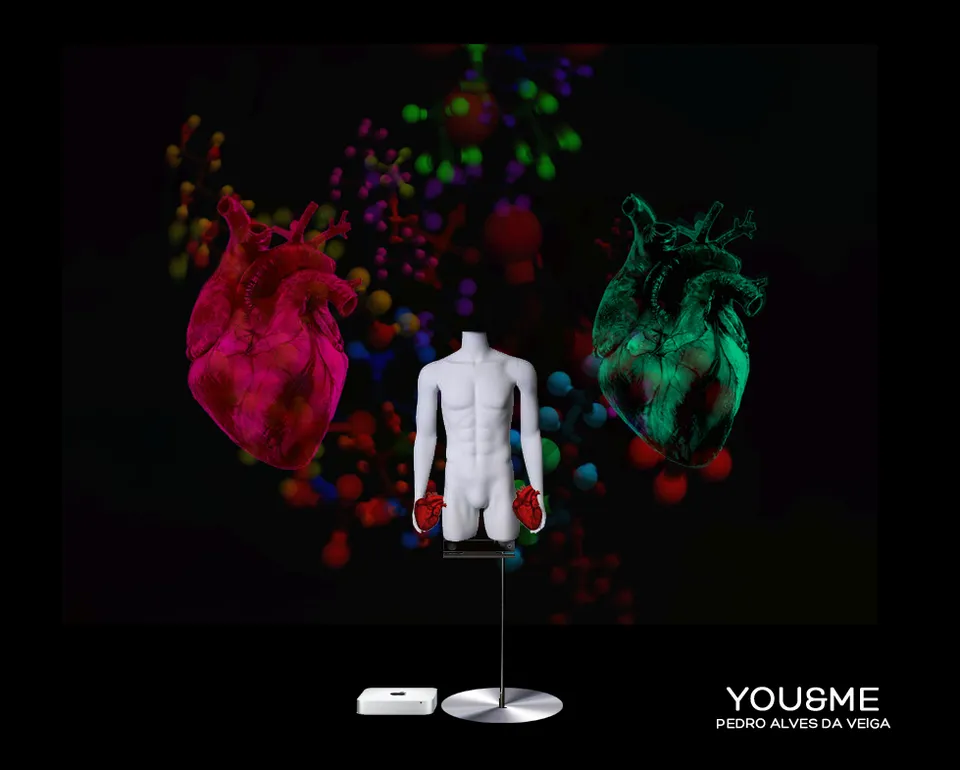
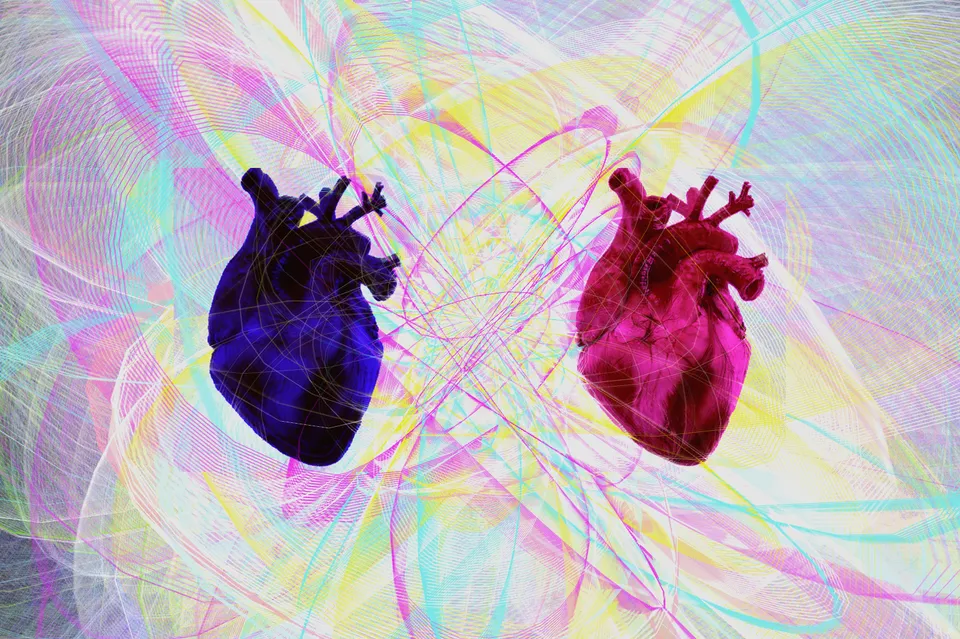
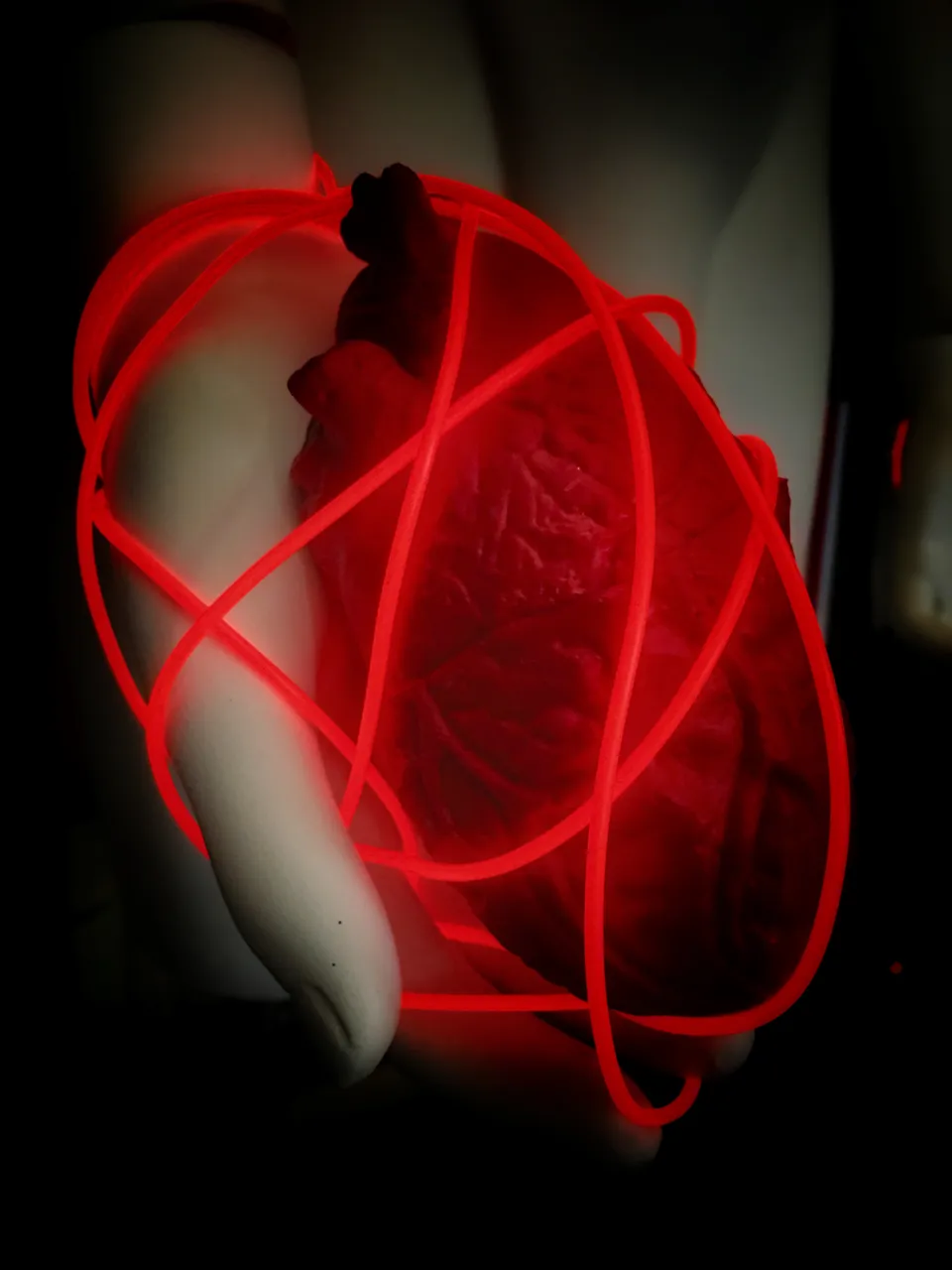
Several elements are therefore used, namely a fibreglass mannequin painted white, four 5-metre cables of red EL wire, two anatomical models of a human heart in red rubber, and two mats defining the position of the active visitors on either side of the mannequin.
The set is completed by a video projector, which duplicates the images shown on the screen, projecting them above the heads of the active visitors in the installation.